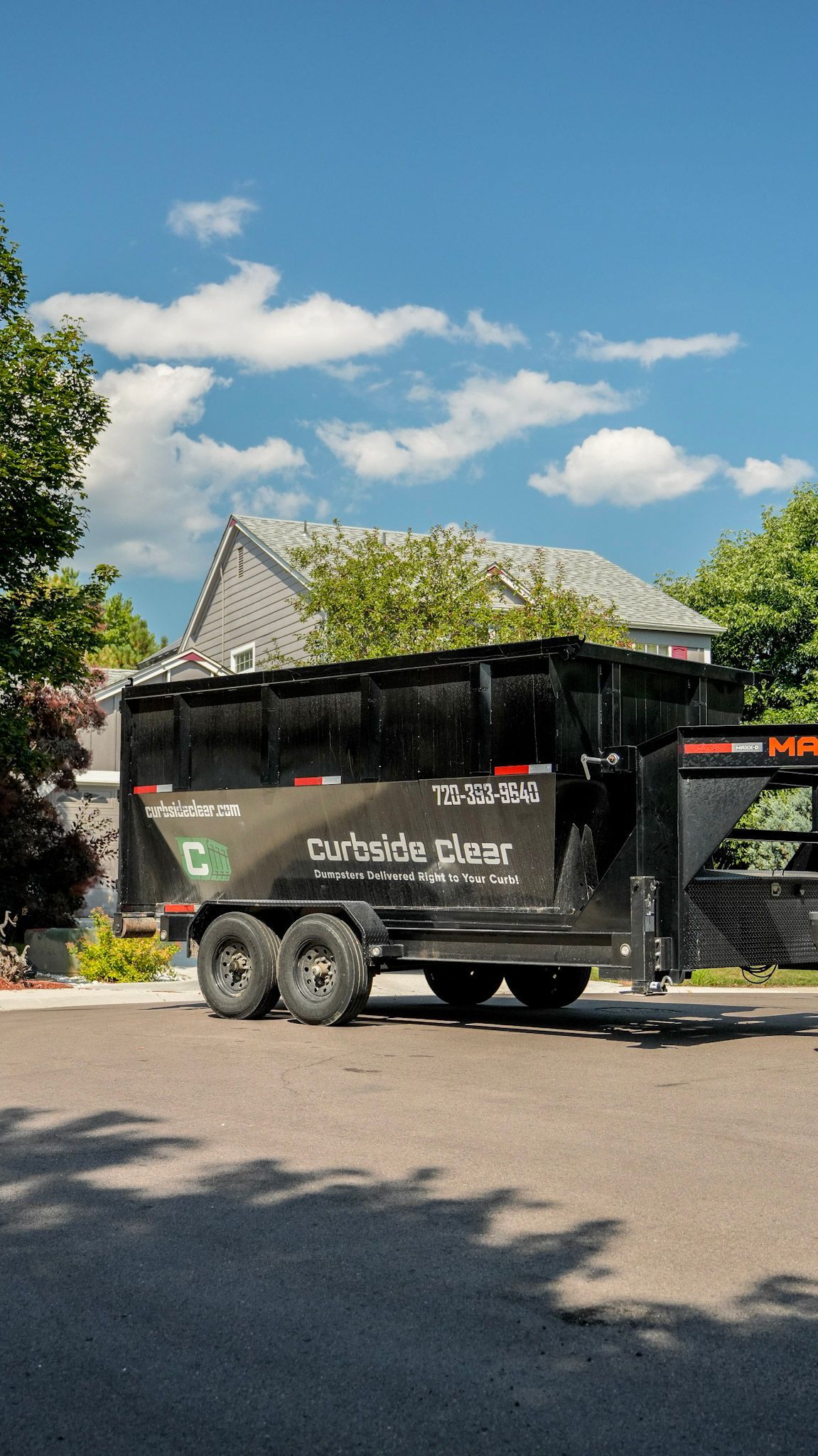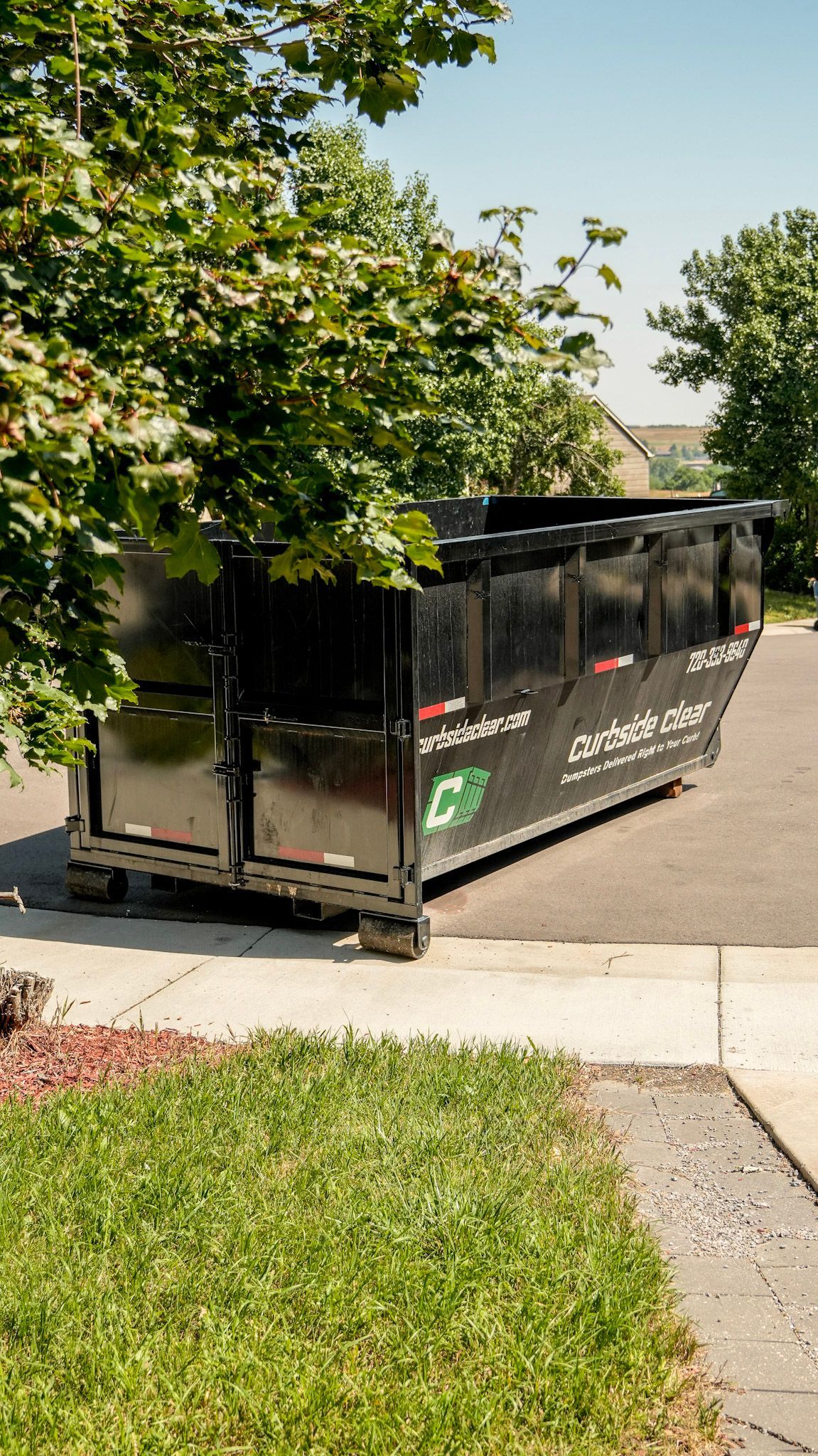
How to Plan It, What to Toss, and Why a Rolloff Dumpster Makes the Whole Thing Easier
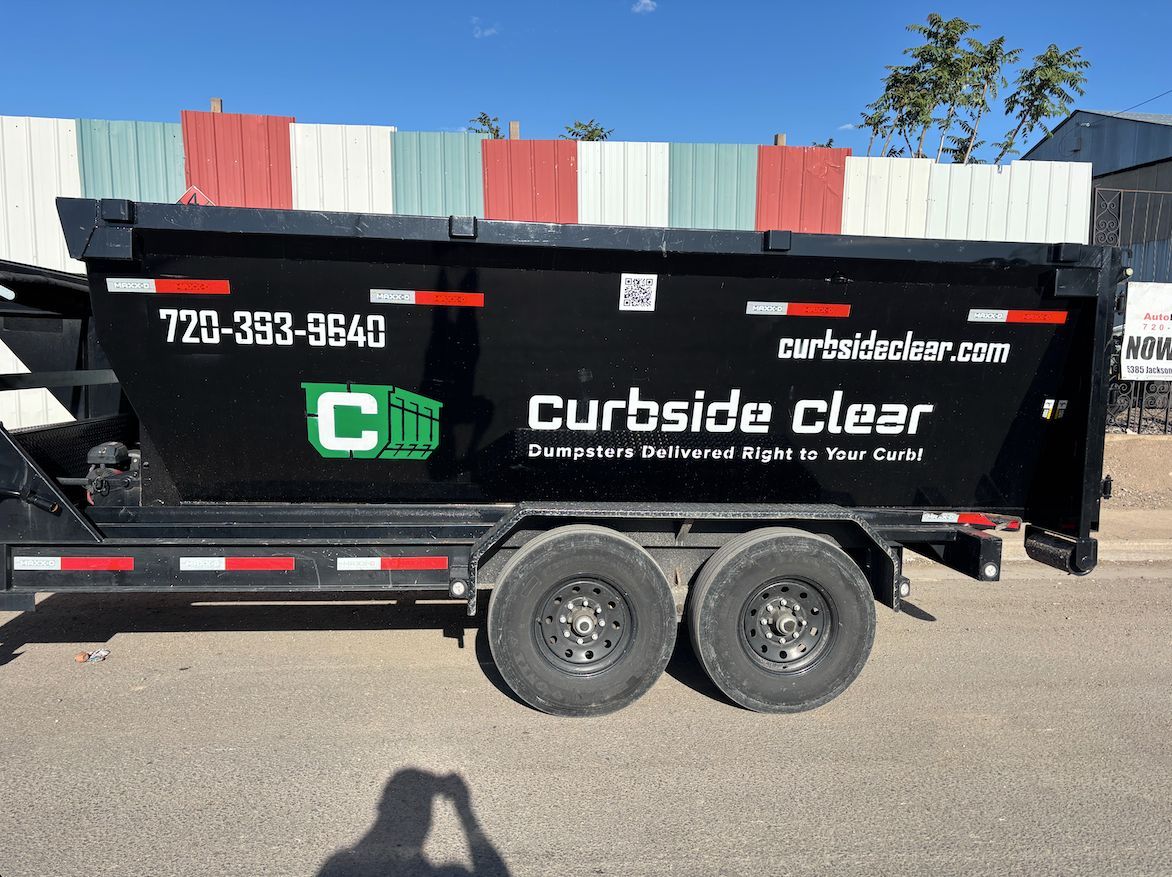
The garage cleanout is one of those projects that has been on the to-do list for... a while. Maybe a long while. You know what's in there — old furniture, broken tools, boxes from a move three years ago, a mattress, mystery items wrapped in tarps — and every time you open the door you tell yourself you'll deal with it this weekend. Then you close the door.
Here's the thing: a garage cleanout is actually one of the most satisfying projects you can do. The result is immediate, the space is usable again, and it doesn't require a contractor or a permit. What it does require is a plan, a free weekend or two, and a place to put all the stuff you're getting rid of. That's where we come in.
At Curbside Clear, we help homeowners across Broomfield, Westminster, Arvada, Thornton, and the surrounding North Denver metro area tackle cleanouts like this every week. Here's how to do it right.
Step 1: Set a Date and Commit to It
The biggest reason garage cleanouts don't happen is that there's no deadline. Pick a weekend — mark it on the calendar — and treat it like an appointment you can't cancel. If you're doing this with a partner or family members, get them on board ahead of time. Having a dumpster delivered on Friday morning is a great forcing function. Once it's sitting in the driveway, you're committed.
Step 2: Pull Everything Out
This sounds extreme, but it works. Take every single item out of the garage and put it on the driveway or lawn. This does two things: it forces you to actually look at everything you own, and it gives you a clean slate to work from rather than just shuffling things around inside.
Yes, it will look chaotic for a few hours. That's fine. That chaos is the process.
Step 3: Sort Into Four Piles
Once everything is out, sort it into four categories:
Keep: Things you actually use and have a real place for. Be honest here. If you haven't touched it in two years and can't name a specific upcoming use for it, it probably doesn't belong in this pile.
Donate or sell: Items that are still in good shape but don't belong in your garage. Furniture, sports equipment, tools you've replaced — these can go to a local donation center, a Facebook Marketplace listing, or a garage sale.
Trash: Broken items, expired chemicals, things that are simply worn out and done. This is usually the biggest pile, and it's going straight into the rolloff dumpster.
Hazardous waste: Paints, motor oil, solvents, old batteries, and propane tanks cannot go in a dumpster and need to go to a designated hazardous waste facility. Jefferson County and Adams County both have household hazardous waste drop-off programs — set these items aside and plan a separate trip.
Step 4: Load the Dumpster Strategically
Once your keep and donate piles are handled, it's time to load up. A few tips that will save you space and headaches:
Break down anything that can be broken down. Flat-pack furniture, cut up old carpet into rolls, knock apart wood frames. The more compact you can make things, the more you'll fit.
Put heavy, flat items on the bottom — doors, plywood sheets, old countertops. Lighter and bulkier items like cushions, bags, and boxes go on top.
Fill in gaps as you go. It's surprisingly easy to lose 20% of your dumpster capacity to air pockets. Think of it like packing a suitcase.
Never load above the fill line. This is a safety requirement — if debris is sticking out above the top, it can't be safely hauled. If you're running out of room, give us a call.
Step 5: Clean and Reorganize
With the garage empty, take the time to sweep it out, check for any damage to the walls or floor, and plan how you want to set it up going forward. A few shelving units and labeled bins go a long way toward keeping it organized. Future you will be very grateful.
What Can Go in the Dumpster?
Good news: most of what ends up in a garage cleanout is completely dumpster-friendly. Old furniture, mattresses, carpet, appliances, flooring, yard waste, metal items, bikes, broken tools, cardboard, bags of junk — all fine.
What's not fine: liquid paints, motor oil, propane tanks, batteries, and chemical products. If you're not sure about a specific item, just ask us. We'd rather answer the question upfront than have an issue at pickup.
What Size Dumpster Do You Need for a Garage Cleanout?
For most single-car or two-car garages, a 10-yard rolloff dumpster is the right call. It holds the equivalent of about 3 pickup truck loads and can handle 50 to 70 large trash bags worth of material — which covers a lot of garage.
If it's a two-car garage that's been accumulating stuff for years, or if you're also doing some demo work (removing shelving, old drywall, etc.), step up to a 15-yard to give yourself room to work.
Getting Started Is the Hard Part — We Make the Rest Easy
The toughest part of any cleanout is just starting. Having a rolloff dumpster on-site removes one of the biggest friction points — you don't have to make 12 trips to the dump or fill your truck over and over. Everything goes in one place and we haul it away when you're done.
Book online at curbsideclear.com or give us a call at 720-393-9640. We serve Broomfield, Westminster, and the surrounding North Denver metro area and we can usually get a dumpster to you within a day or two.
Stop walking past that garage door. This is the weekend.